PROJECTS
TRANSPARENCY
The Problem and Opportunity
The Amazon rainforest and its peoples (including indigenous communities, non-indigenous populations, and indigenous peoples in voluntary isolation) are facing the destruction of their land due to the exploitation of natural resources and deforestation (caused by unsustainable agriculture, the construction of damns, ranching, logging, mining, oil exploration, and over-fishing).
As of today, 20 percent of the Amazon basin has been deforested (Ajl 2010). All of these factors contribute to climate change and jeopardize the physical and cultural survival of the Amazonians, including indigenous children, adolescents, and women. The direct socio- economic, health and environmental consequences of the climate change on indigenous children are: (1) natural disasters: droughts, flood, and forest fire; (2) social conflicts for control of territories and natural resources: loss of human lives, forced relocation of communities, loss of food security, and migration from communities to cities; (3) illness: the increase of temperature triggers the outbreak of malaria, dengue, and respiratory problems; (4) contamination of water resources: outbreak of cholera, and parasites; (5) mental health: anxiety, depression and stress due to exposure to natural disasters; (5) infant and maternal malnourishment: this is caused by reduction of agricultural production, deterioration of ecosystem, deforestation, and environmental contamination (Unicef 2013).
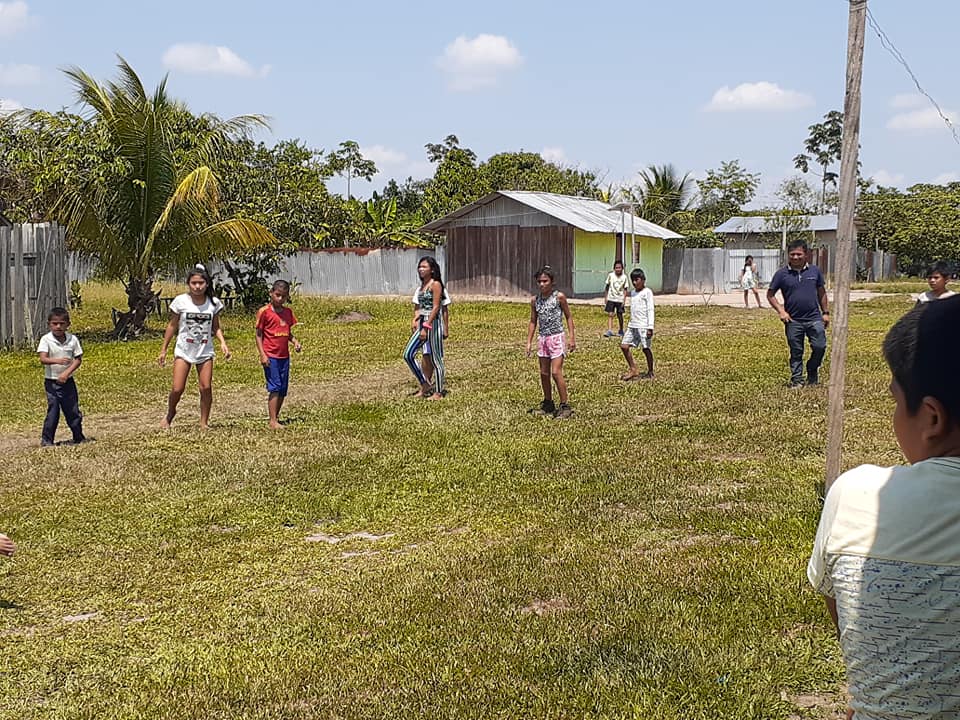
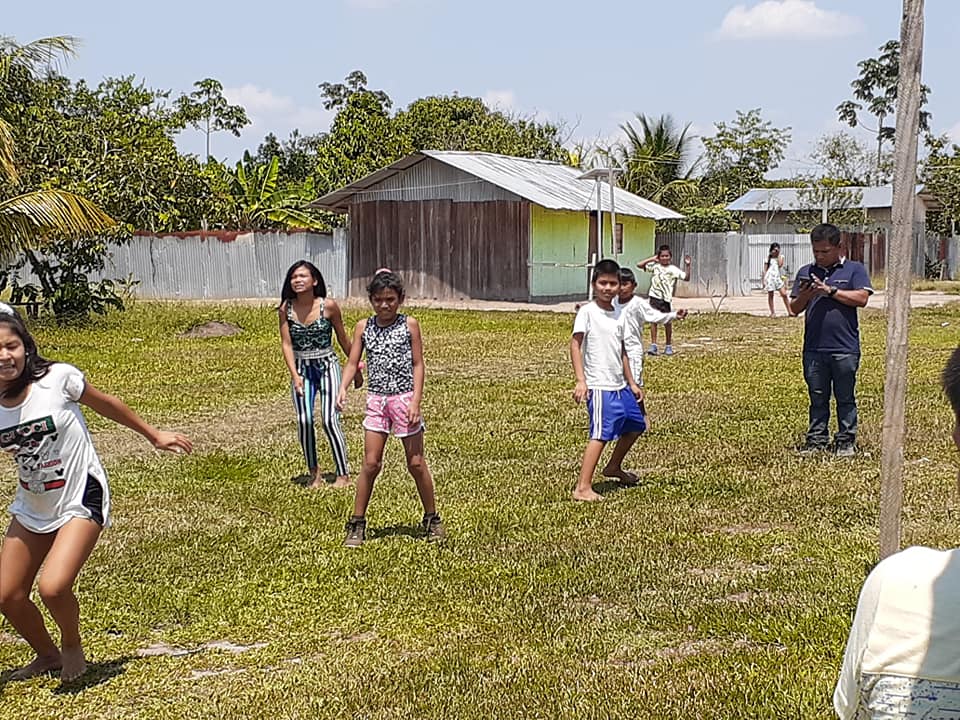
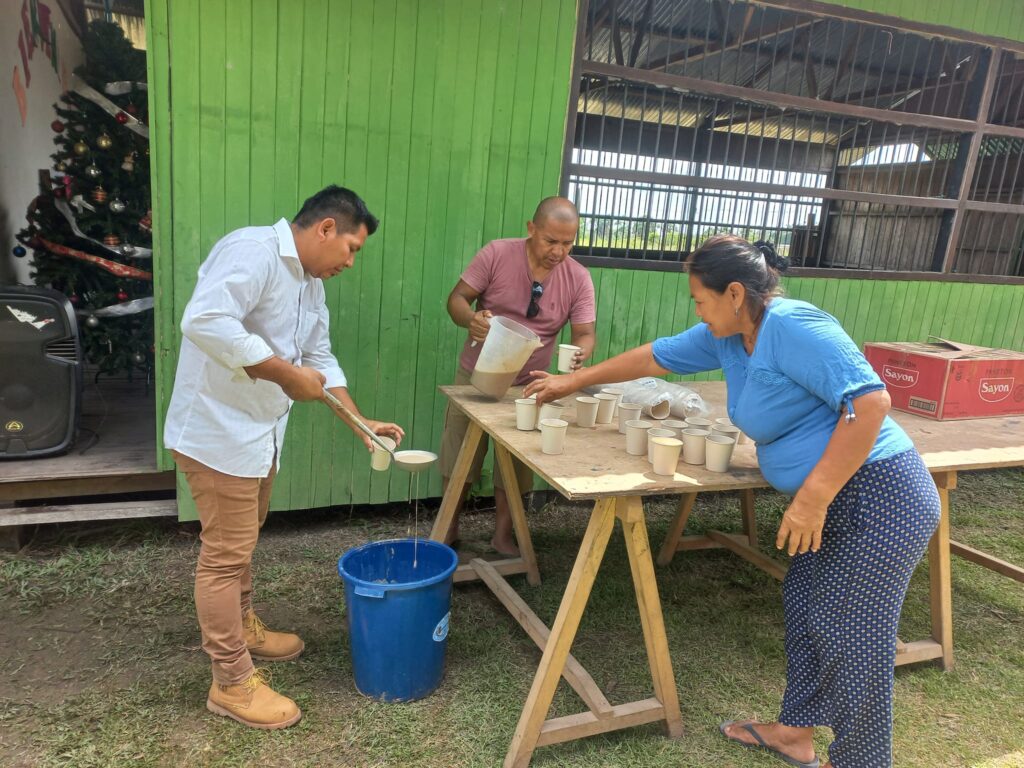
Indigenous children are the most vulnerable from climate change because their survival is intrinsically connected to the integrity of their territories and natural resources. Yet they do not have a voice. In short, indigenous Amazonian are at risk of ethnocide and assimilation, unless new mechanisms can empower them to have a dignified life in their native territories. In this context, this initiative aims to holistically address the issues that jeopardize the survival of indigenous and non-indigenous children. A partial list of these threats as explained above include malnourishment, water contamination, a lack of legal protection of their communities, a lack of access to quality education, unemployment for women, and sufficient income to survive in a monetized economy.
The first challenge in tackling the problem facing native Amazonians is the ubiquitous lack of disaggregated data in Latin American Countries, though there are countries which are in the process of filling that gap. The panoramic view by using the 2007 World Bank generic data shows that, within a consecutive 10 years of analysis, indigenous peoples in the region continue to be the poorest of the poor, and the most excluded population despite their countries’ steadily increasing GDPs. This inequality, which is reflected in the Gini Coefficient for indigenous peoples, is far greater than for other non-indigenous populations. For instance, while the poverty rate fell for non-indigenous people in Bolivia, Ecuador, and Peru between 1994 and 2004, the level of indigenous peoples’ poverty did not change. Indigenous peoples’ years of education over the age 15 is lower than that of non-indigenous students (the gaps in Bolivia, Ecuador, and Peru are 3.7, 2.6, and 2.3 years respectively; basic health indicators show that indigenous women and children are the most adversely affected by malnutrition, limited access to basic health services (Patrino & Hall 2007). Moreover, Amazonian indigenous children face a systematic negligence from their states due to geographical and linguistic barriers that hamper access to their locations. This is exacerbated by the rapid deterioration of their environment and the encroachment of colonizers on their lands. The holistic approach of development consists of improving the living condition of indigenous and non-indigenous children, adolescents, and women in the Amazon basin by using two conceptual frameworks: (1) sustainable development; and (2) human sustainability (a term coined by indigenous leaders) (COICA 2004).
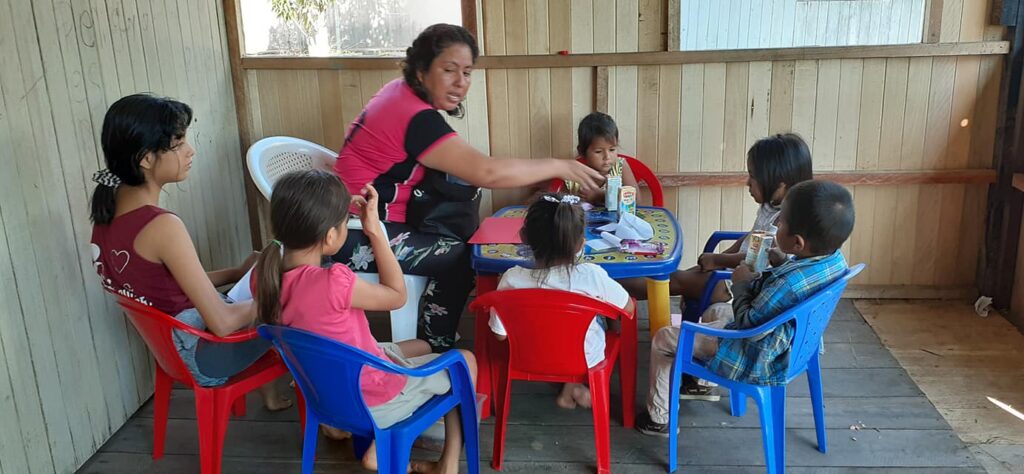
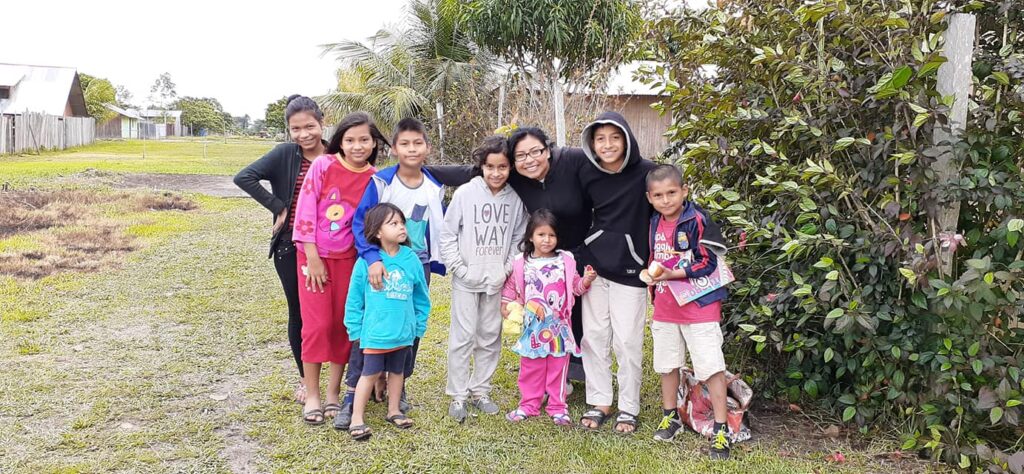
These interchangeable and complementary approaches (sustainable development and human sustainability) will allow ACF to make an innovative intervention in the Amazonian Basin. Thus, the main objective of ACF is to provide educational opportunities, protect from environmental contamination, raising local awareness about climate change, environmental education, policy advocacy, and country-specific actions to Amazonian indigenous children. ACF uses the Convention of the Rights of Child (CRC), the General Comment 11, the United Nations Declaration on the Rights of Indigenous Peoples, Convention on the Elimination of all forms of Discrimination against Women (CEDAW), and ILO Convention 169. Moreover, ACF will partner in this initiative with UNICEF, the United Nations Environmental Programme (UNEP), the Convention on Biological Diversity (CBD), the Pan American Health Organization (PAHO), Ministries of Education, Environment, and Health, as well as local, national, and international indigenous organizations.